Our imagery
Mac Daily publishes no synthetic photographs. Every image is one of four kinds, each labelled, and none of them is evidence.
No synthetic photographs
We do not publish images that look like photographs but are not. A photorealistic image of an orchard, a facility or a shipment would be a claim that something was seen, and we would have no way to support it.
This is not a preference we apply case by case. There is no photographic register in our system to select, so there is nothing to switch on.
The four kinds of image
Charts are drawn from figures in our Index. Every figure carries its source, its basis and the date it was retrieved, and the chart shows them.
Diagrams are drawn by us from a fixed set of templates — a process flow, a supply chain, an orchard layout, a season calendar, a basis ladder. Any text in them is text a person wrote.
Botanical plates are generated illustrations in the manner of a nineteenth-century scientific flora: a single specimen on empty paper. They are drawings of a kind of thing, never of a particular one.
Editorial illustrations are generated flat prints, used for stories about policy, trade and markets where there is nothing specific to draw. They are conceptual by design.
The first two are built. The last two are generated. The standing masthead disclosure covers our automated newsroom; image provenance remains in metadata.
What a generated image may never contain
A generated image on this site may never contain:
- text, lettering, numerals, signage, logos, brand marks or flags
- an identifiable person
- a real, named or recognisable place, facility, port or landmark
- a depiction of the specific event an article reports
- anything imitating a record — a drawn chart, map, document, screenshot or satellite view
- any business in which our owner has an interest, whether named or implied
The last four are enforced before an image is requested rather than checked afterwards. Subjects come from a fixed vocabulary of generic descriptions — no place, company, person or event appears in any of them — and the short qualifier an editor may add is rejected if it contains a capitalised name or a number, which is what a country, a cultivar, a year or a tonnage looks like. The same owner-interest check that governs our articles runs over the image request too.
Text and photorealism are constrained in the image request. Every candidate is then checked against a fixed rubric that also rejects misleading botanical or mechanical anatomy. We describe that as a check rather than a guarantee because it is one. If a generated image is not good enough we fall back to a chart or a diagram, and if none of them fits we publish the article with no image at all.
No image is evidence
An image on Mac Daily never supports a claim. It does not anchor a figure, it is not a source, and it never appears as part of a conflict between sources. If something is true here, the words and the citation say so — never the picture.
One picture, one story
A generated illustration is used once. Every one we publish is fingerprinted, and the fingerprint is checked against everything already published before it can be placed again — so the same picture cannot appear on two stories, and a near-copy of it counts as the same picture. Where nothing distinct is available, the story runs its headline figure set in type instead. A second-best picture would be worse than none.
Some stories get no picture at all, on purpose. A tariff, a forecast or a trade ban has no appearance, and anything we put beside one would be decoration standing in for a scene that never happened. Those stories are illustrated by a chart drawn from their own figures — or by nothing.
How to check for yourself
Every image we publish carries its origin, its kind, and — for generated images — the model that made it and the exact prompt it was made from. That record travels in the file itself, in the standard IPTC field, so it survives being downloaded or resized: our generated images are marked trainedAlgorithmicMedia, and our charts and diagrams compositeSynthetic. No image we publish is ever marked as a digital capture, because none of them is one.
The same record is available through our public API, and where a provider supplies content credentials we preserve them. We never create them ourselves.
Published visual register
These are images attached to published articles. Each card uses the image record and credit carried by that article.
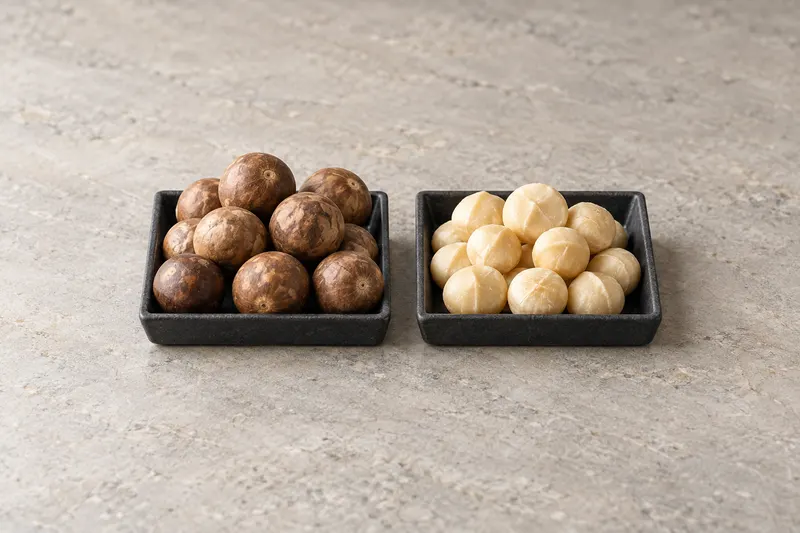
Reading a macadamia tariff proposal: product lists and applied rates 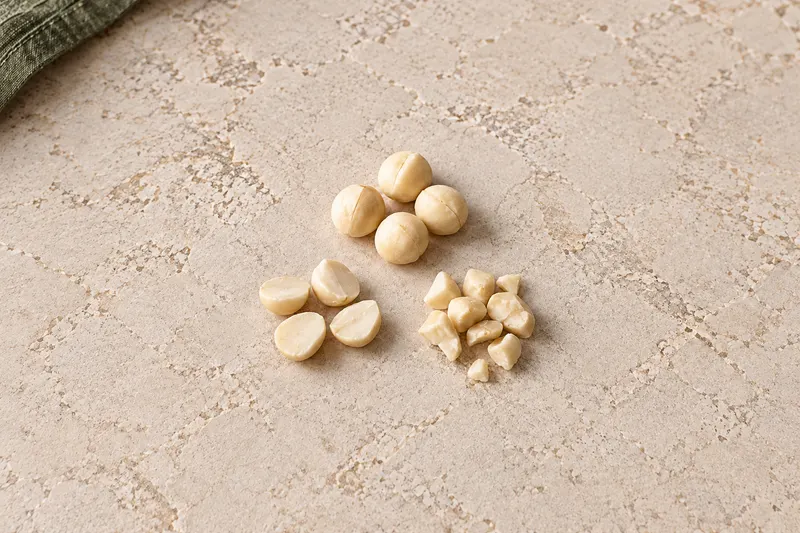
Reading macadamia style labels: form, size and grade 
Macadamia shelf-life: separate appearance, packaging and test evidence 
USDA expects China's macadamia output to expand as plantings mature 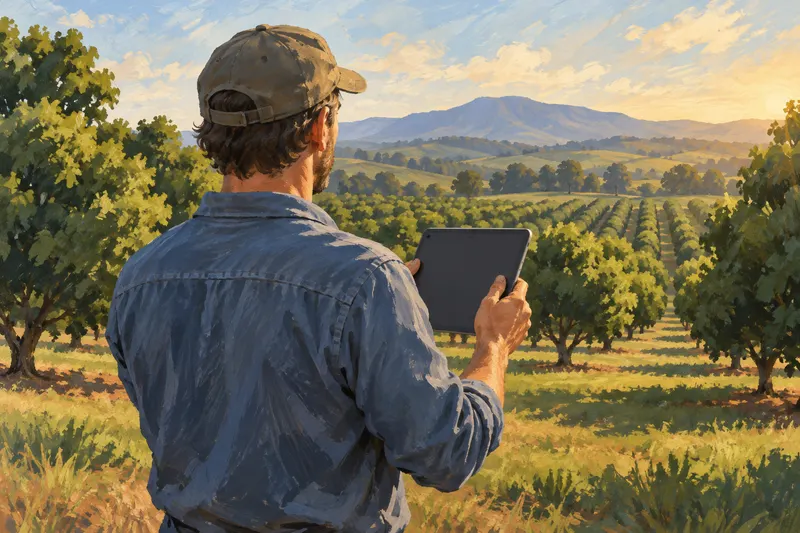
SAMAC introduces Integrator to connect industry information with farm decisions 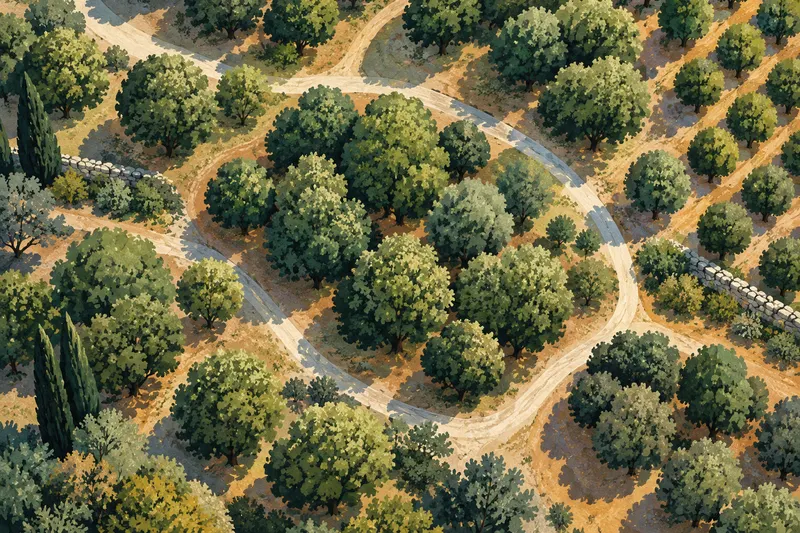
Why macadamia pollination planning needs more than hive counts 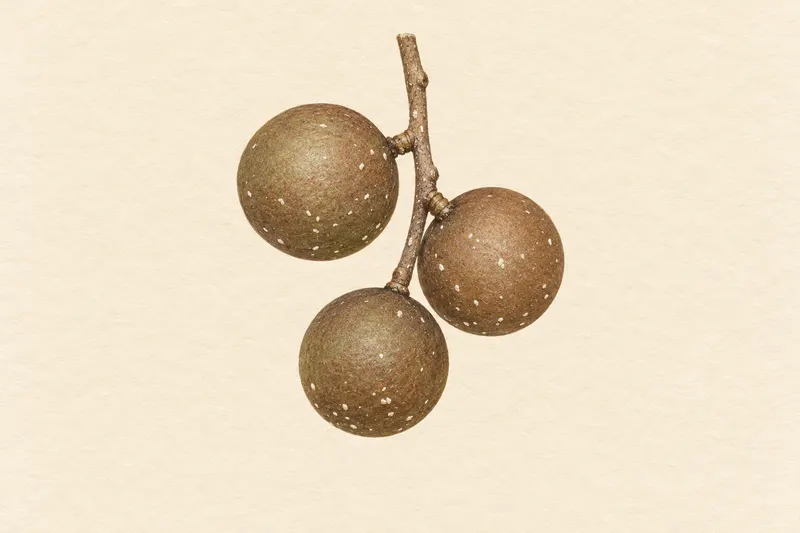
SAMAC's felted-coccid research keeps biological release separate from laboratory progress 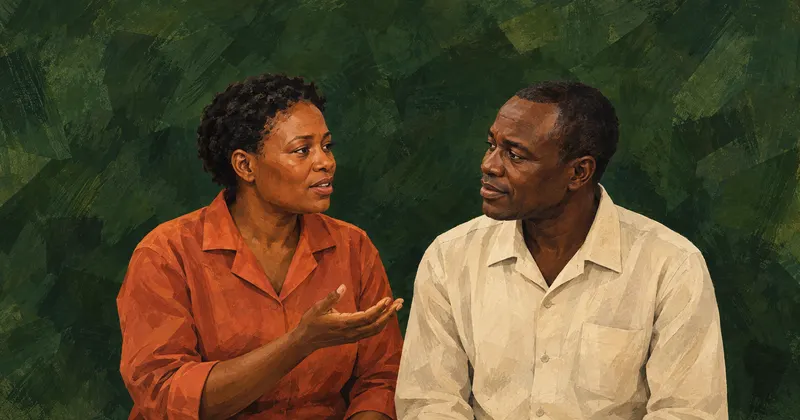
What Malawi's farmer-preference study can tell a grower—and what it cannot 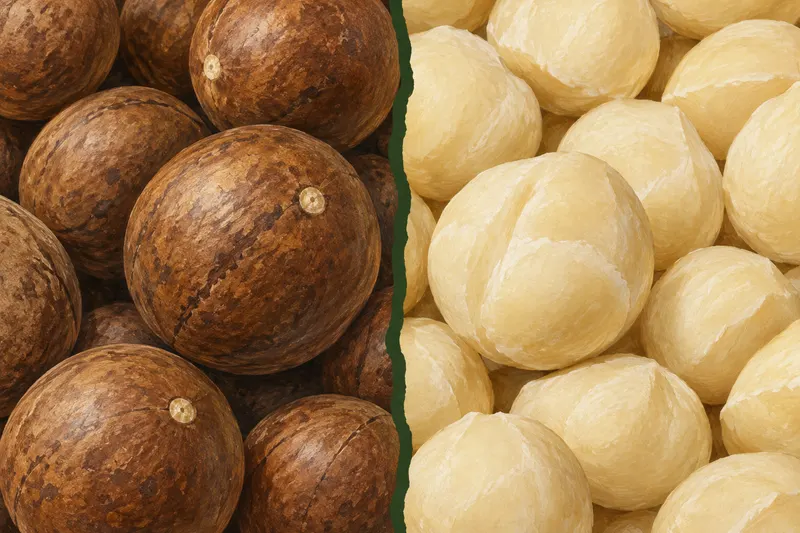
South Africa's 2024 macadamia import preview keeps shells and kernels apart 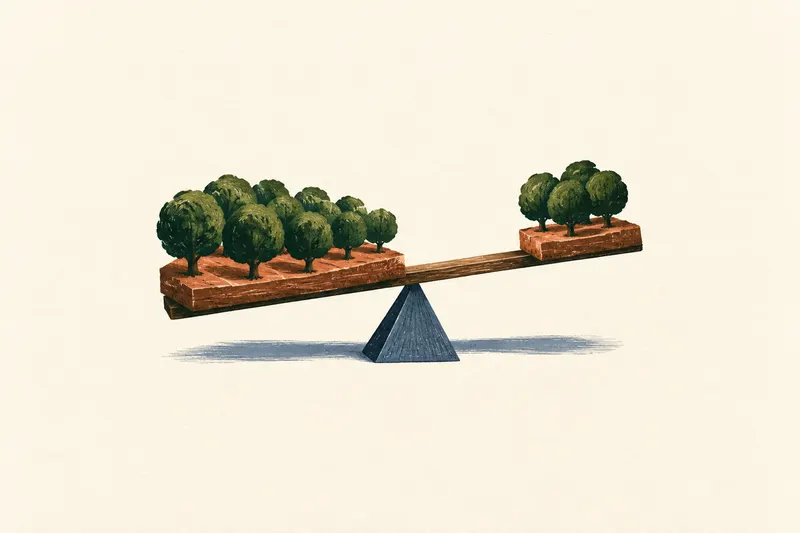
Reading Australia's 2024 macadamia benchmarks: match the sample before the target 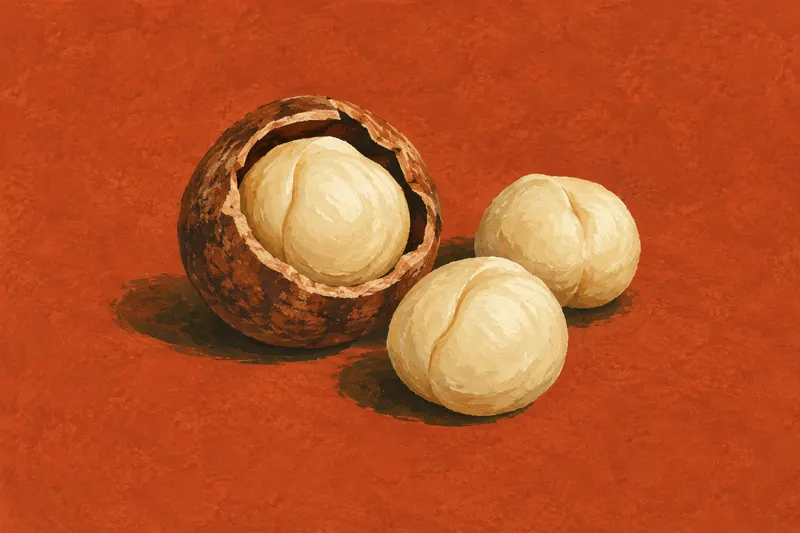
Australia's 2024 import preview separates in-shell macadamias from shelled kernels 
Australian Macadamias puts snack formats and discovery at the centre of younger-consumer brief 
Malawi's China access rule pairs macadamia imports with plant registration and shipment checks 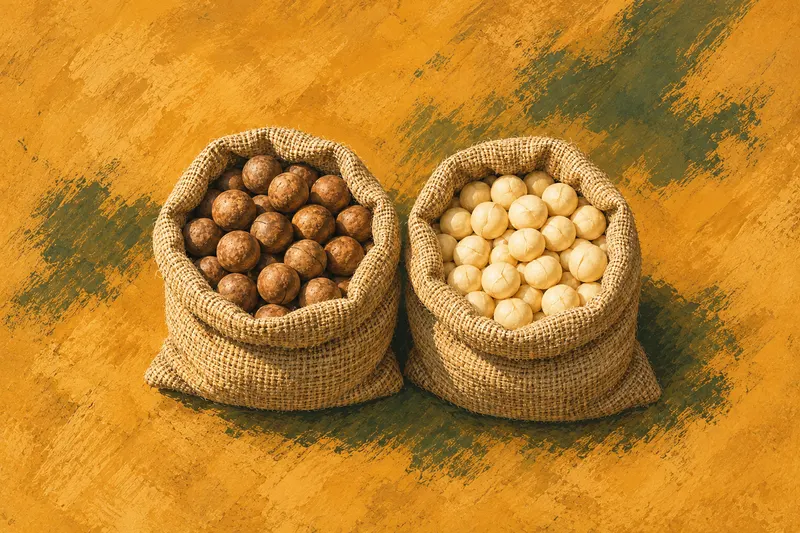
Kenya's 2024 macadamia export records separate China's in-shell market from US kernel sales 
Malawi's 2024 import records distinguish in-shell macadamias from shelled nuts 
AusMac research hub puts rootstocks, flooding and crop losses on the October agenda 
Younger snack buyers sharpen the macadamia product brief 
Kernel stocks are shaping the macadamia buying calendar 
Bee readiness belongs in the macadamia orchard plan 
Sniffer dogs bring a new approach to macadamia pest detection 
Five priorities set the agenda for South Africa's macadamia sector 
Apple's orchard investment puts regenerative farming inside its Restore Fund 
Australia’s orchard map: more hectares, different measures 
China's 91,000-tonne macadamia forecast was issued in November 
Kenya reopened its macadamia harvest window on 1 February, two weeks early 
After Alfred: why Australia paused its 2025 macadamia forecast 
INC’s March 2025 country forecast table was not one common yardstick 
Embrapa’s macadamia reference covers pests and beneficial species 
USDA forecast lower Chinese macadamia imports for 2025/26 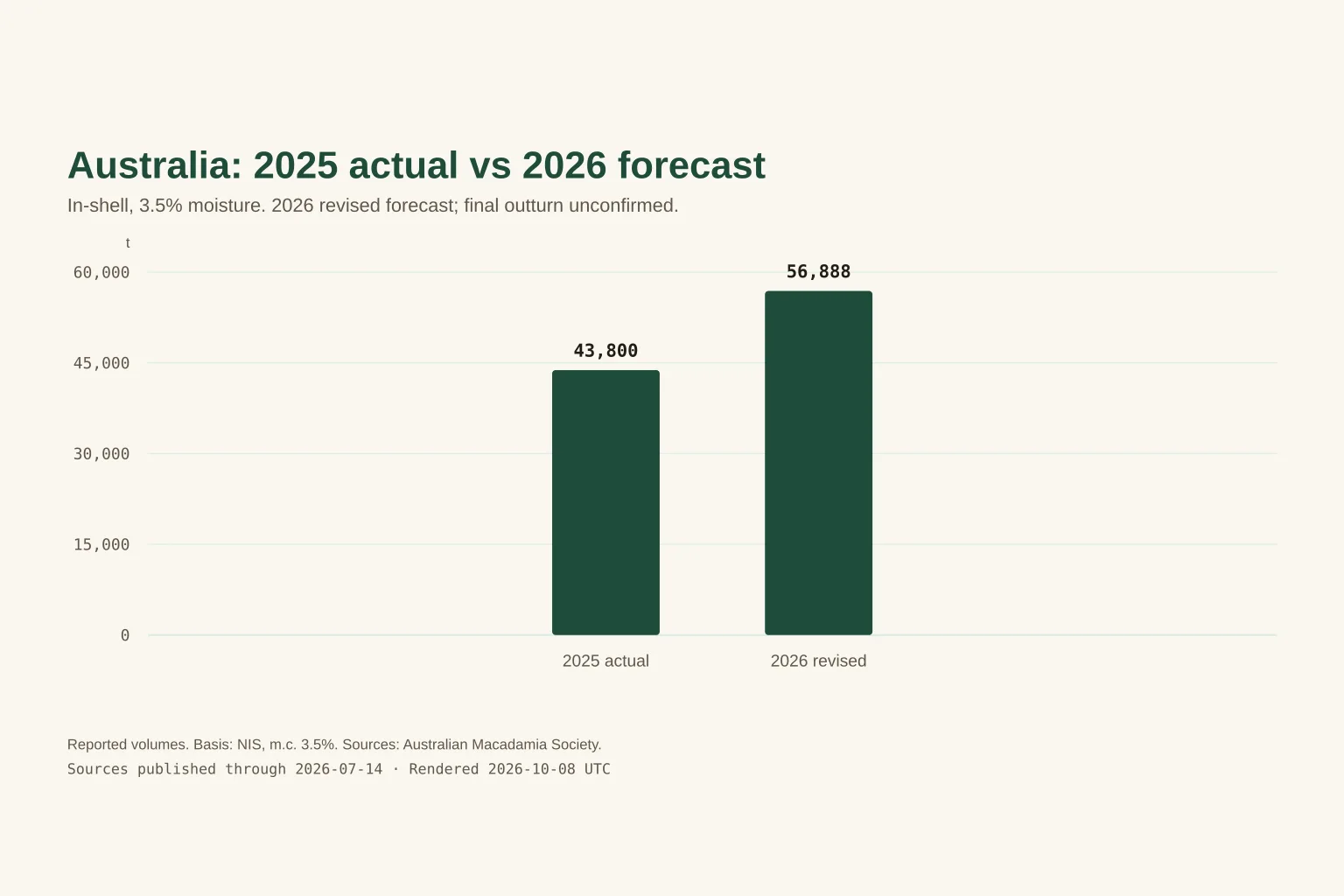
Australia's 2026 macadamia rebound remained a forecast after July revision Chart: Mac Daily, from the sources listedAbout our imagery

Guatemala's reported crop and its 2027 forecast are different figures 
Australia’s July crop forecast moved down to 56,888 tonnes as harvest stayed uneven 
Mozambique’s 2024–25 macadamia export target: forecast, not outturn 
Australia's March 2025 macadamia forecast changed again before the final crop 
South Africa's July 2025 macadamia forecast was revised down 
South African macadamia exporters faced US tariff uncertainty in August 2025 
Australia’s 2025 crop: 23% below the opening forecast 
China’s macadamia forecasts: keep the period and moisture basis together 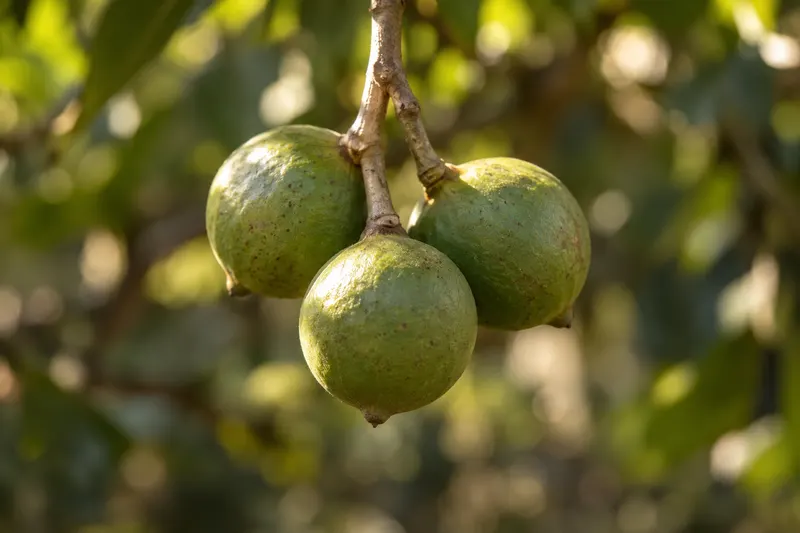
Espírito Santo's 2022–24 macadamia increase came on stable harvested area 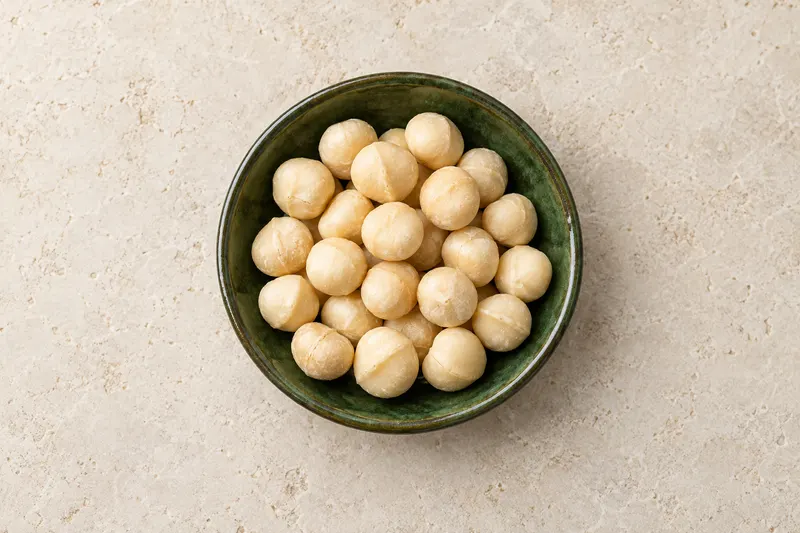
INC forecasts world production at 391,738 t for 2026, up 14% 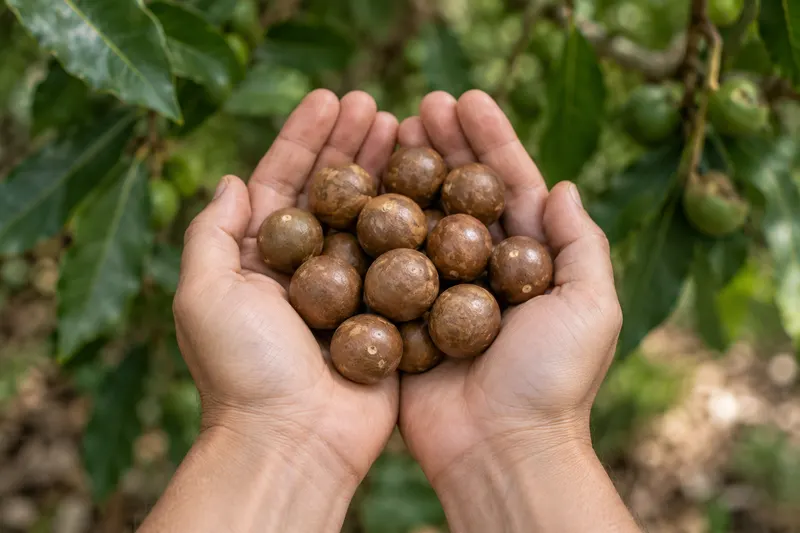
AFA figures reported in August put Kenya’s 2025 macadamia crop value at KES 8.6 billion 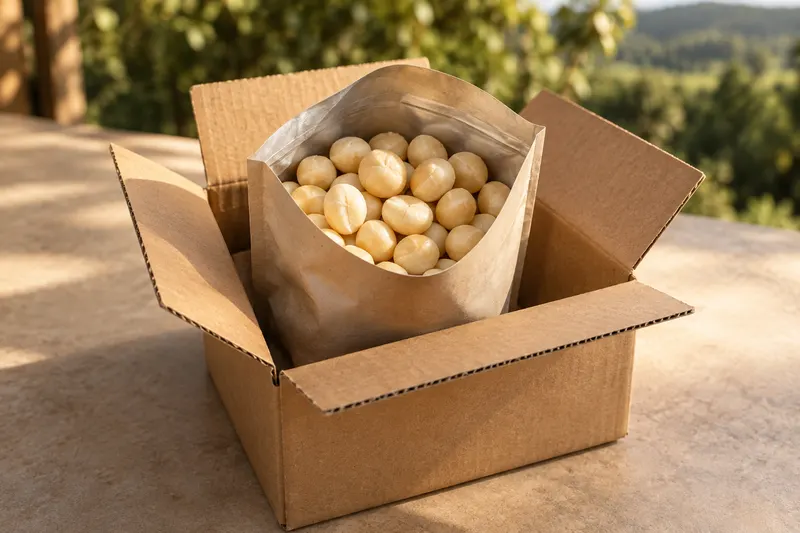
China's May 2026 tariff expansion added 20 African countries to an existing 33 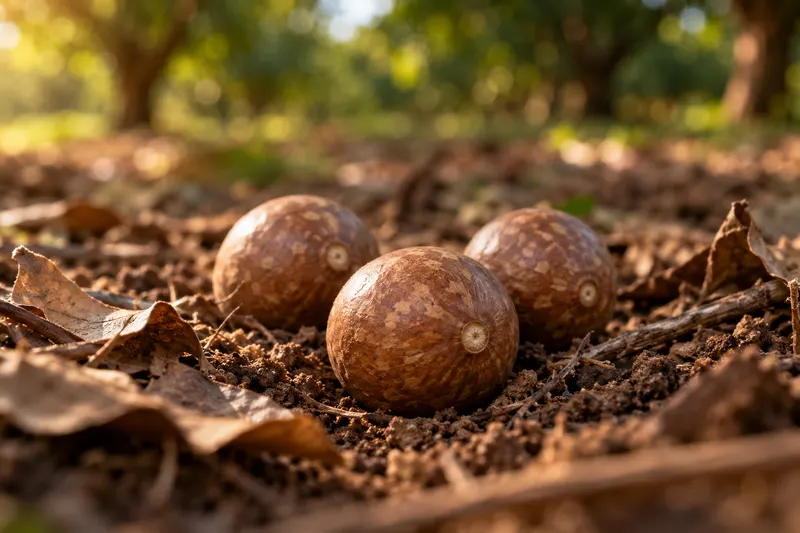
AFA brought Kenya’s 2026 macadamia harvest reopening forward to 1 February 
INC sets its 2026 World Nut and Dried Fruit Congress for Macao 
China's June 2025 tariff pledge was a negotiating commitment 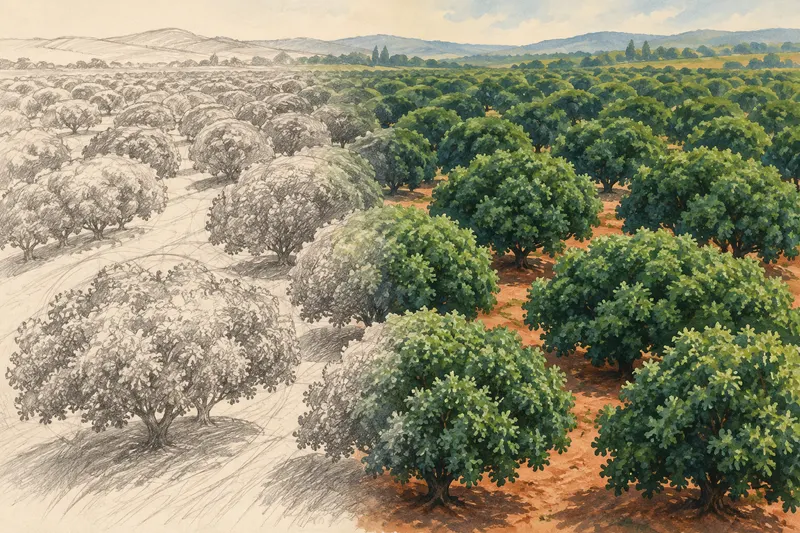
INC publishes SAMAC's 2025 South Africa crop forecast of 93,588 t 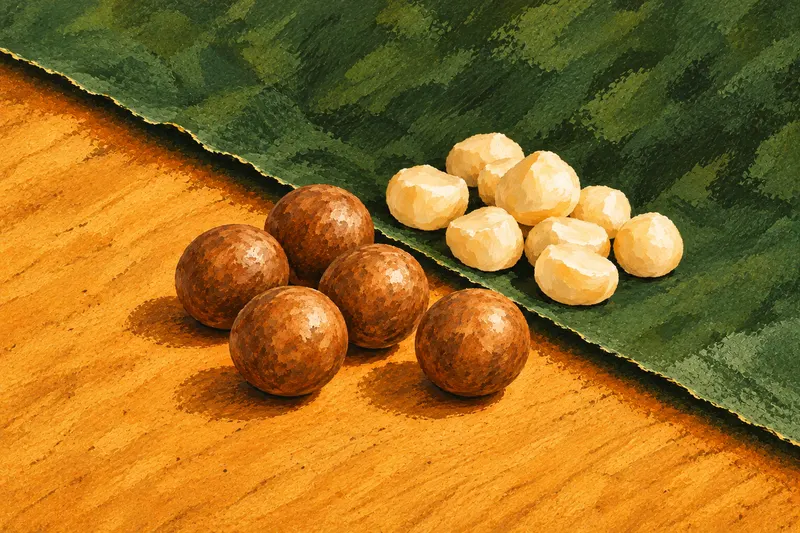
Kenya retained its raw macadamia export ban ahead of the March 2025 harvest 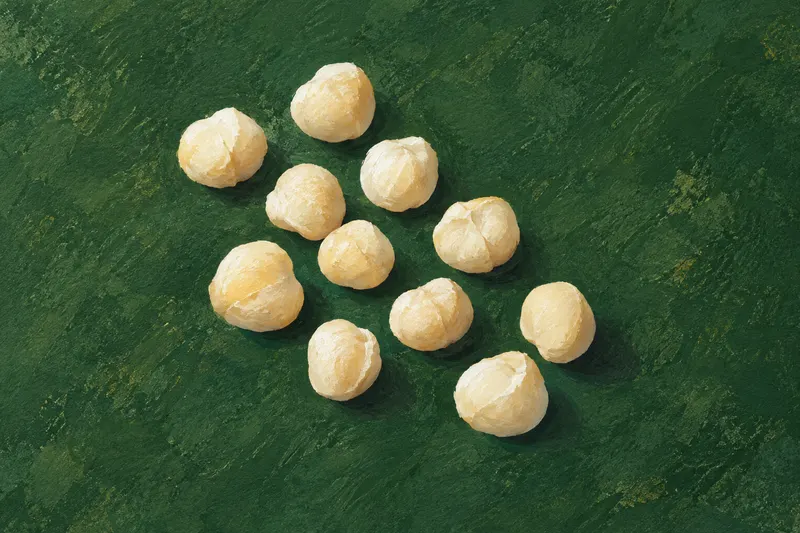
INC's 2024 yearbook puts world macadamia output on a kernel basis


Related
Our use of automation generally, and the labelling required by the EU AI Act, is on the AI disclosure page.